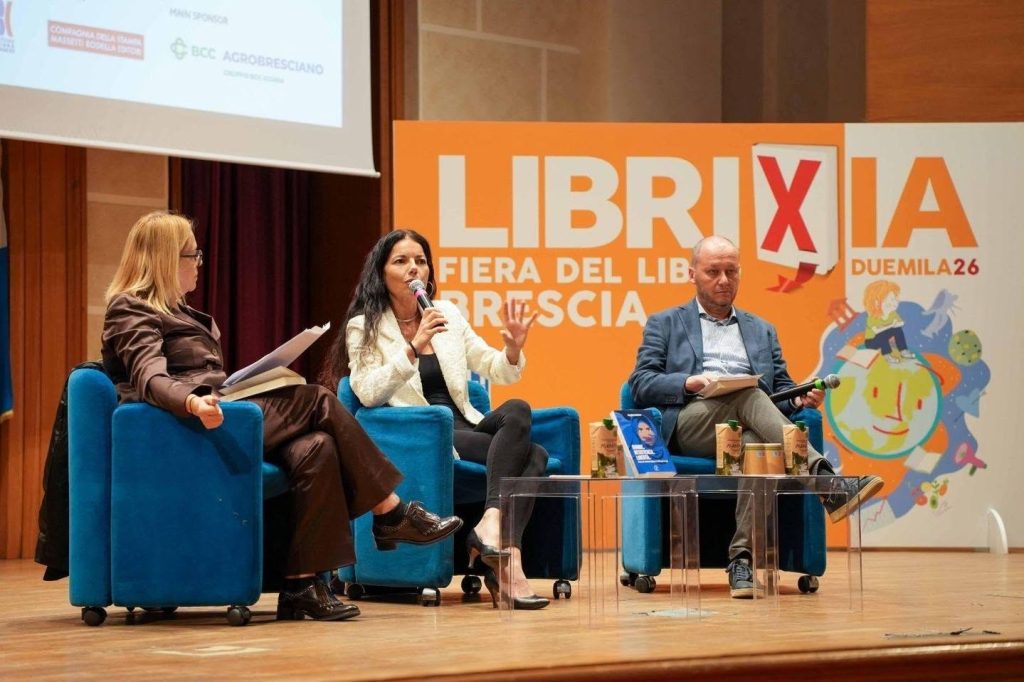




At Librixia, Brescia’s annual book fair and literary festival, about 530 participants and two books offered opportunities to reflect on freedom, resistance, and feelings of inadequacy. From September 27 to October 1, the Pauline book center in Brescia took part in Librixia 2026, creating opportunities for dialogue with adults and high school students.
At the Mo.Ca. Cultural Center: Stories of Resistance and Freedom
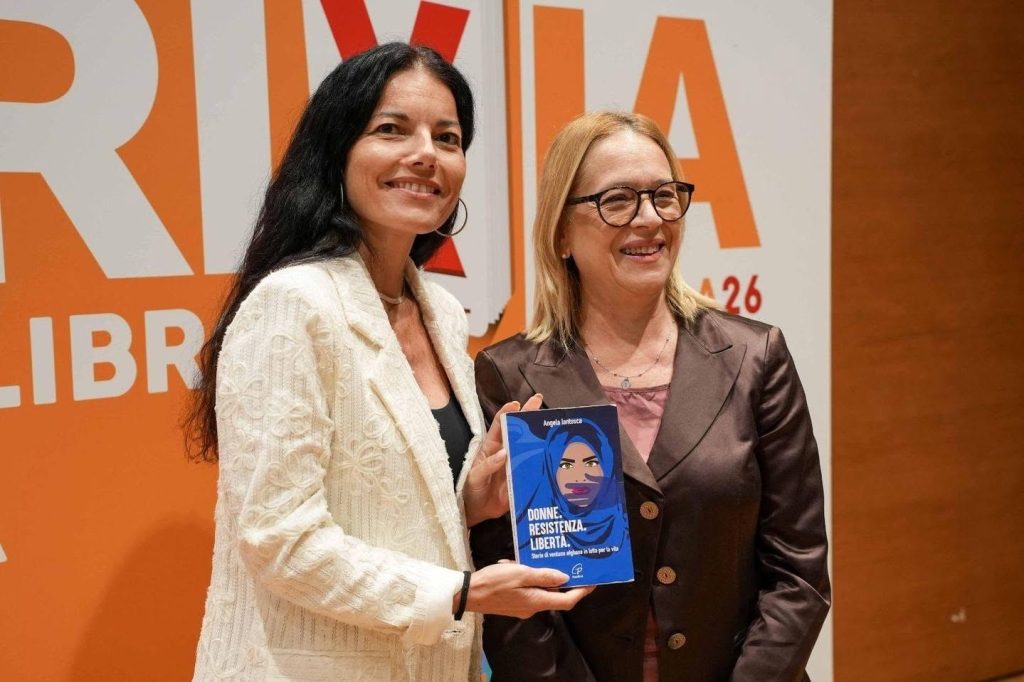
On Sunday, September 27, about 80 people met with Angela Iantosca, author of Donne, resistenza e libertà (Women, Resistance, and Freedom) at the Mo.Ca., the Center for New Cultures, in Brescia. The discussion focused on the stories of women who chose to defend their freedom, connecting personal and collective experiences with the responsibilities we face today.
The event was organized in collaboration with Sandra Landy, president of the Sant’Anna branch of the Christian Association of Italian Workers in Brescia to strengthen ties between the book center, the local community, and cultural organizations.
At San Barnaba: 400 Students in Dialogue with the Author
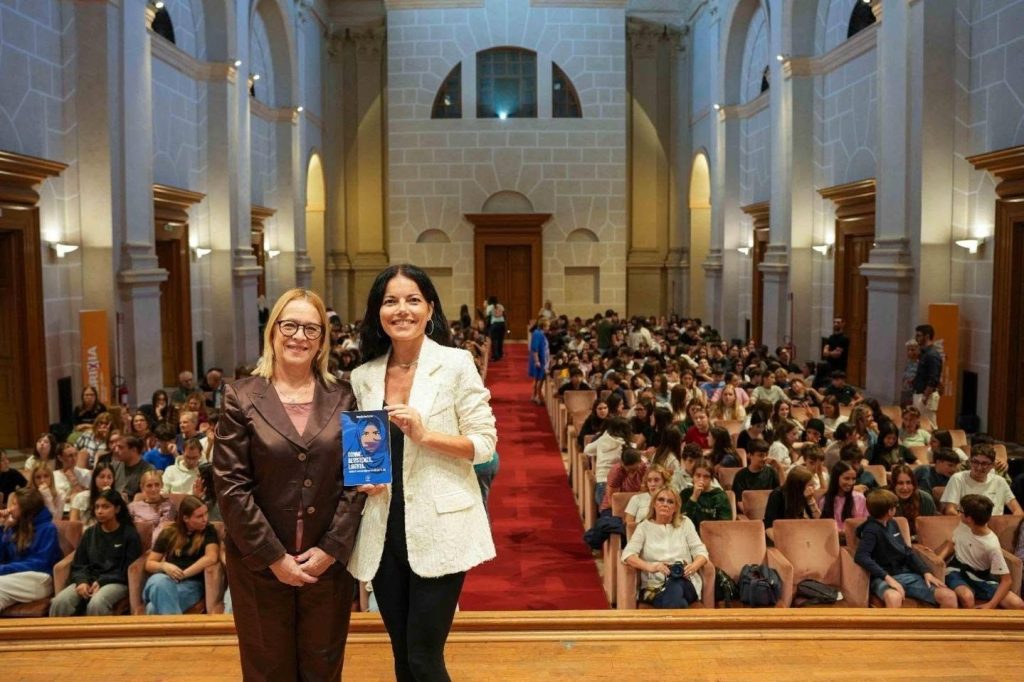
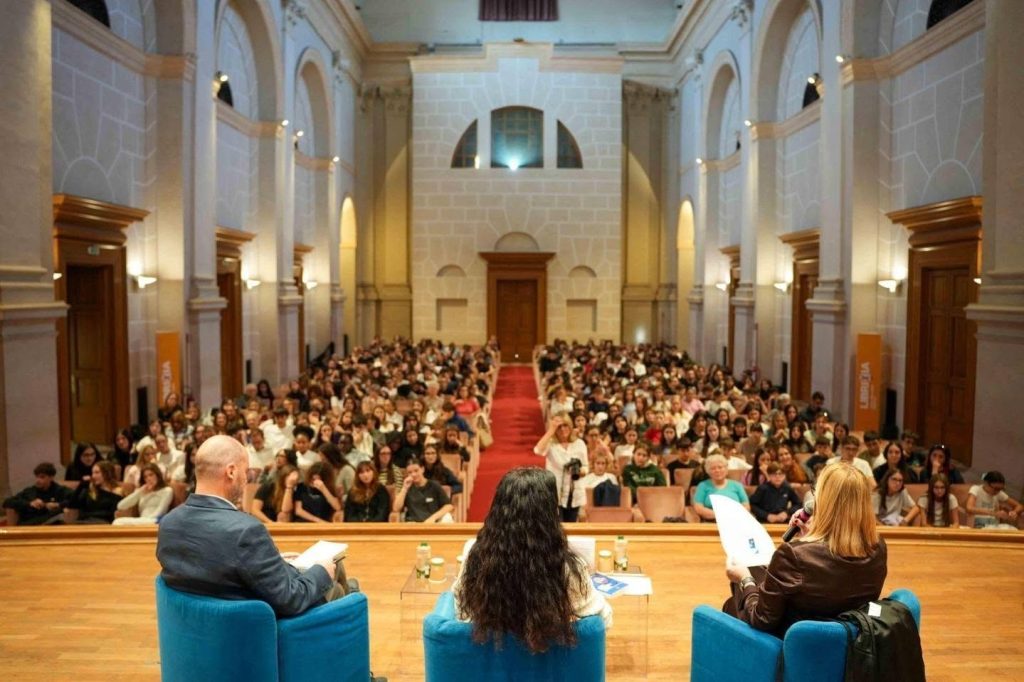
On Monday, September 28, at San Barnaba, about 400 students from the city’s high schools joined Angela Iantosca for another discussion of Donne, resistenza e libertà. Freedom, personal witness, and individual choices were at the heart of a lively exchange fueled by the students’ questions.
The collaboration of teachers Maria Grazia Fracassi and Massimo Pesenti of Brescia’s De André High School was essential in encouraging schools to participate and helping prepare for the event.
At the Mo.Ca. Cultural Center: Reflections on Imperfection
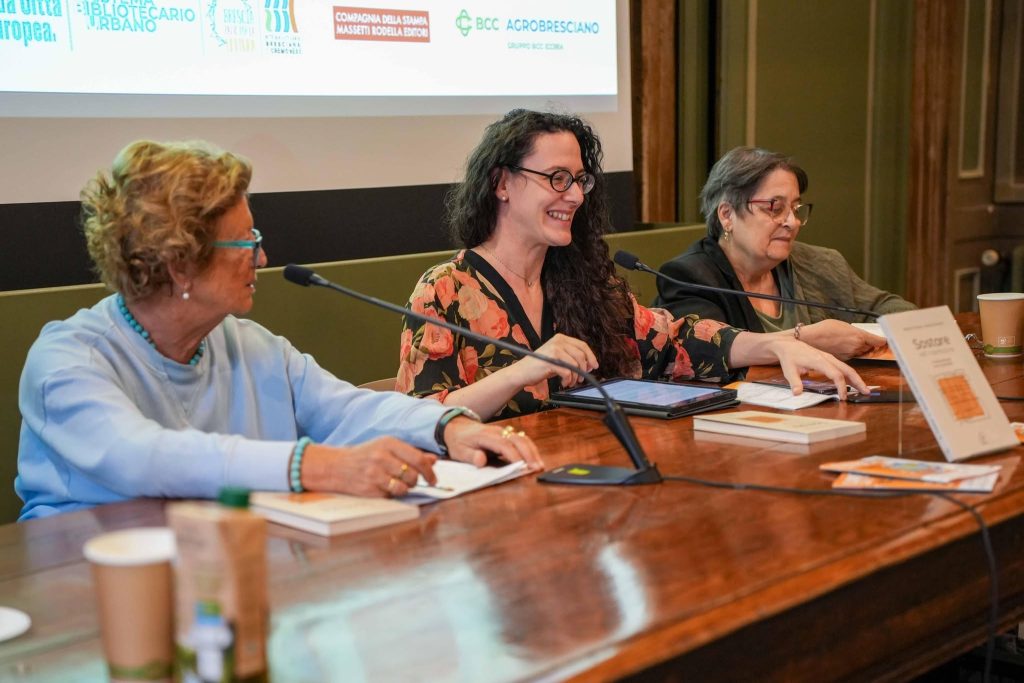
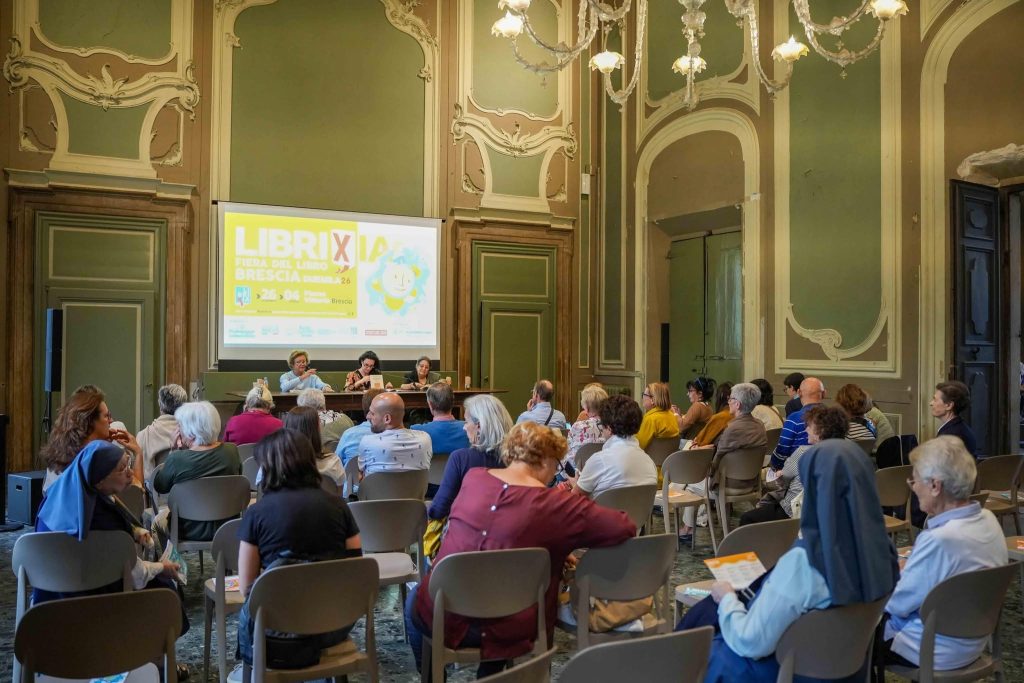
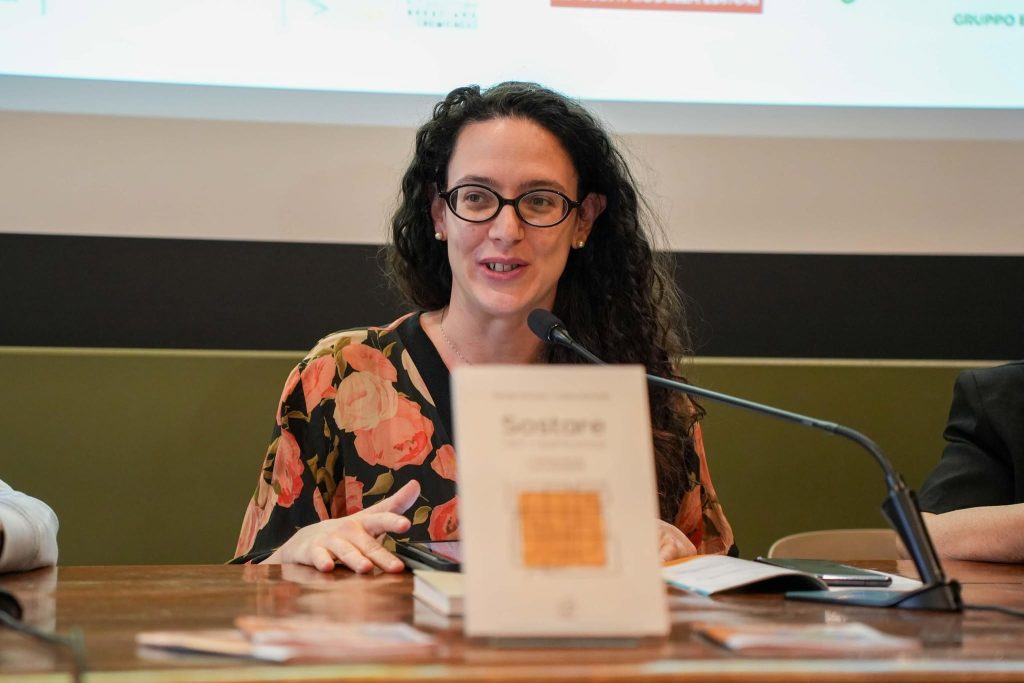
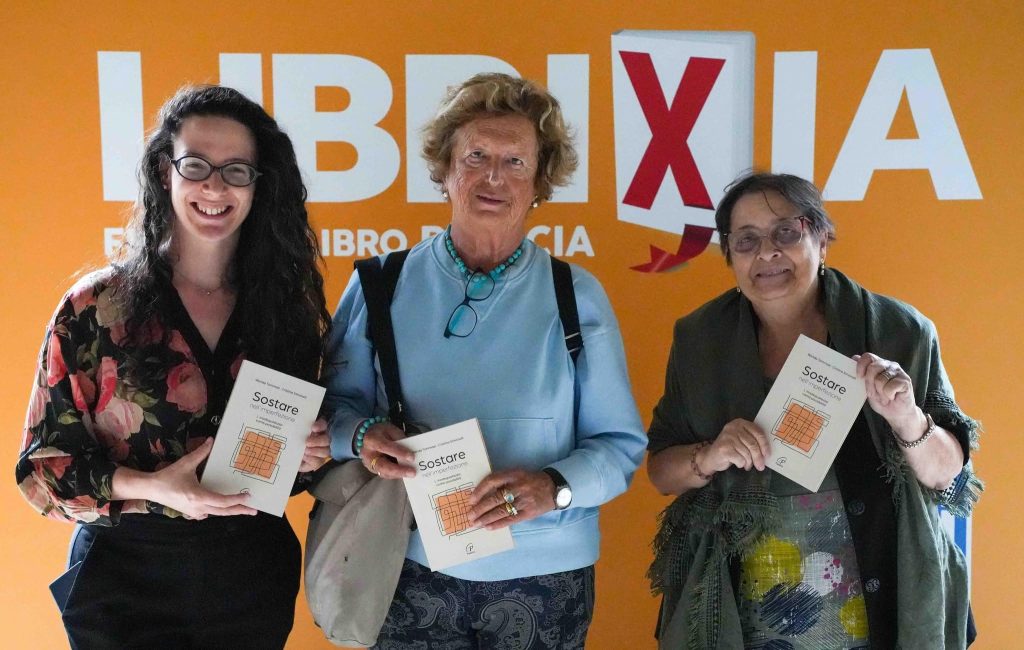
On Thursday, October 1, about 50 people attended a conversation with Wanda Tommasi and Cristina Simonelli, authors of Sostare nell’imperfezione (Dwelling in Imperfection), moderated by Alice Bianchi.
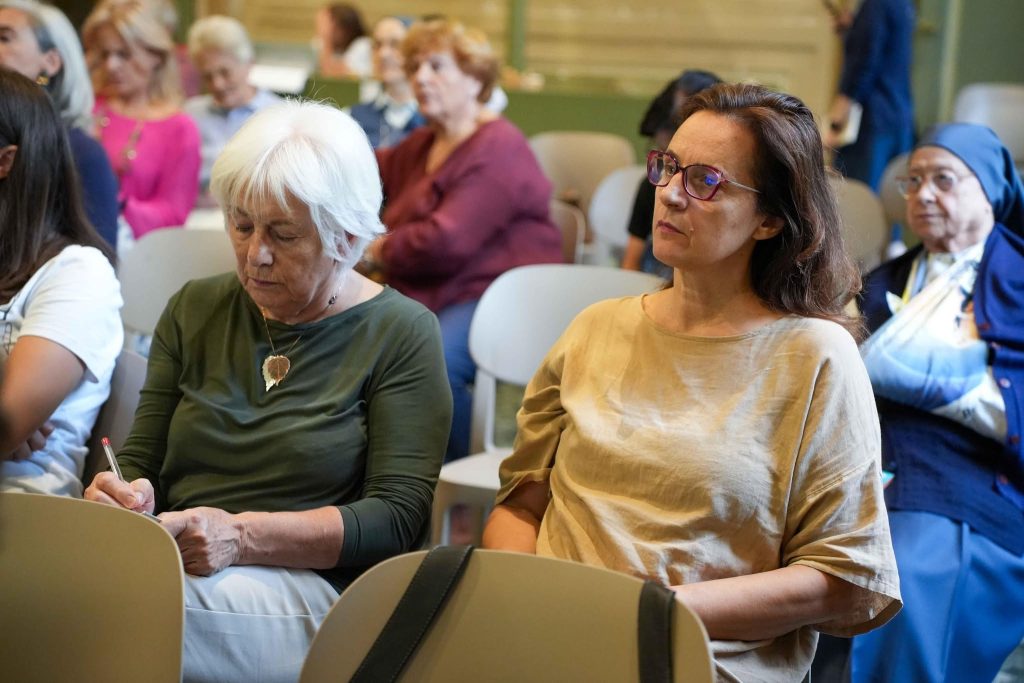
The evening explored feelings of inadequacy in a society that constantly demands efficiency, drawing on human, philosophical, and theological perspectives. Personal limitations emerged not only as a source of vulnerability but also as an opportunity to open up to others and seek meaning. The audience’s attentiveness and closing contributions affirmed the value of the dialogue.
Three Gatherings, a Network of Relationships
Although the three events addressed different themes and audiences, they shared one goal: to use books as a starting point for reflection and discussion.
Collaboration with organizations, teachers, and schools made it possible to engage diverse audiences and strengthen ties with the local community, showing how reading can create opportunities for encounter, awareness, and participation.